












By Bashir Hassan Abubakar
BAUCHI January 23, 2026
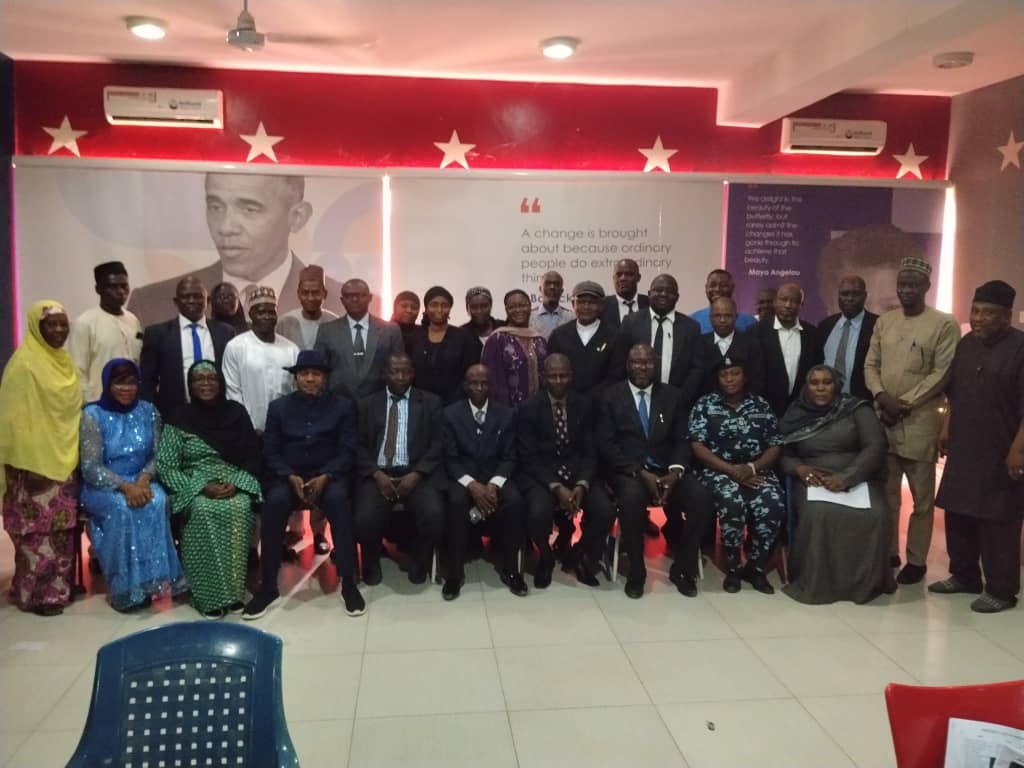
No fewer than 20 women and adolescent girls from different communities in Bauchi State have been trained on the marketing and distribution of reusable sanitary pads by Population Services International (PSI) Nigeria, in collaboration with the Bauchi State Ministry of Women Affairs and Child Development.
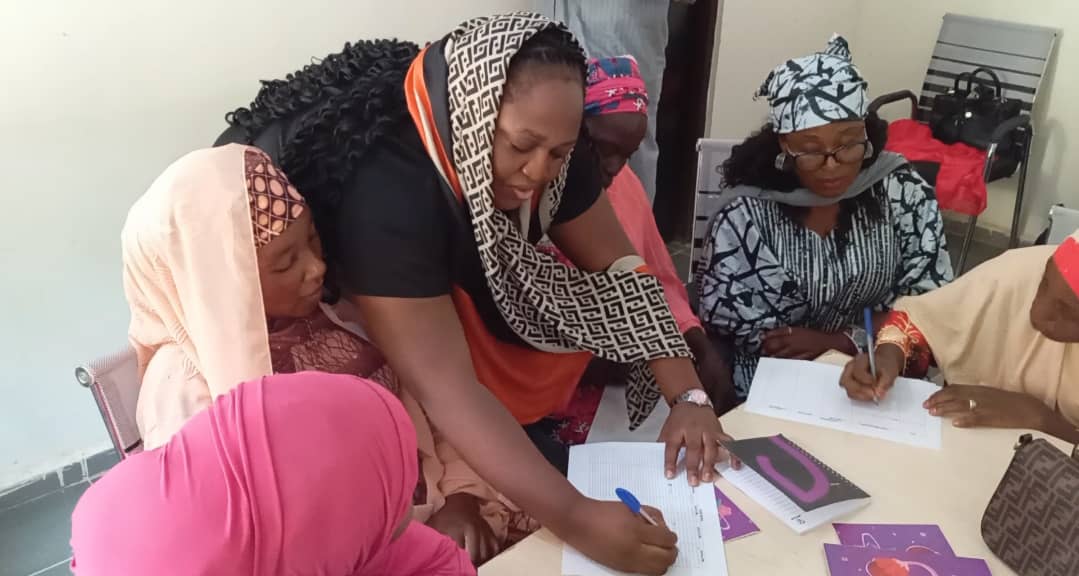
The one-day training, held in Bauchi, focused on financial literacy and entrepreneurship, with participants equipped with essential skills in income generation, money management, savings culture and business planning to support community-level access to affordable menstrual hygiene products.

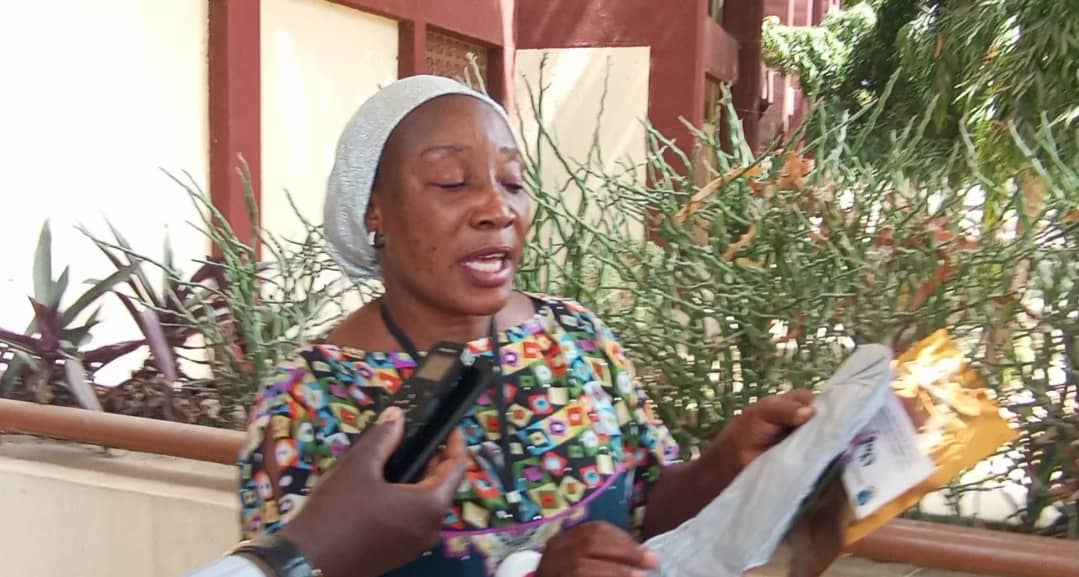
Speaking at the programme, an official of PSI Nigeria, Plangnan Dashe, said the initiative was designed to promote sustainable and cost-effective menstrual hygiene management while economically empowering women and adolescent girls.
She noted that the rising cost of disposable sanitary products has continued to pose challenges to safe menstrual hygiene practices, particularly among girls in low-income and rural communities, adding that reusable pads offer a viable and environmentally friendly alternative.
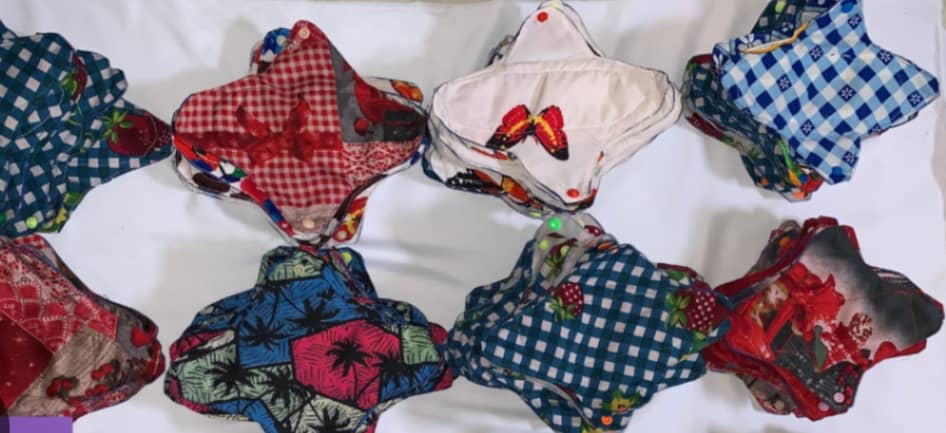
Also speaking, a reusable sanitary pad producer, Adah Samuel, explained that the pads are produced using locally sourced and safe materials, stressing that they can last for up to two years when properly washed and maintained, making them cheaper than disposable sanitary products.
In her remarks, the Gender Desk Officer of the Bauchi State Primary Health Care Development Board, Amina Balali, described the initiative as timely, noting that the introduction of reusable pads would help reduce unhealthy menstrual hygiene practices in rural communities.
She added that improved access to safe and affordable menstrual hygiene products would enhance the health and wellbeing of women and adolescent girls, as well as contribute to improved school attendance.
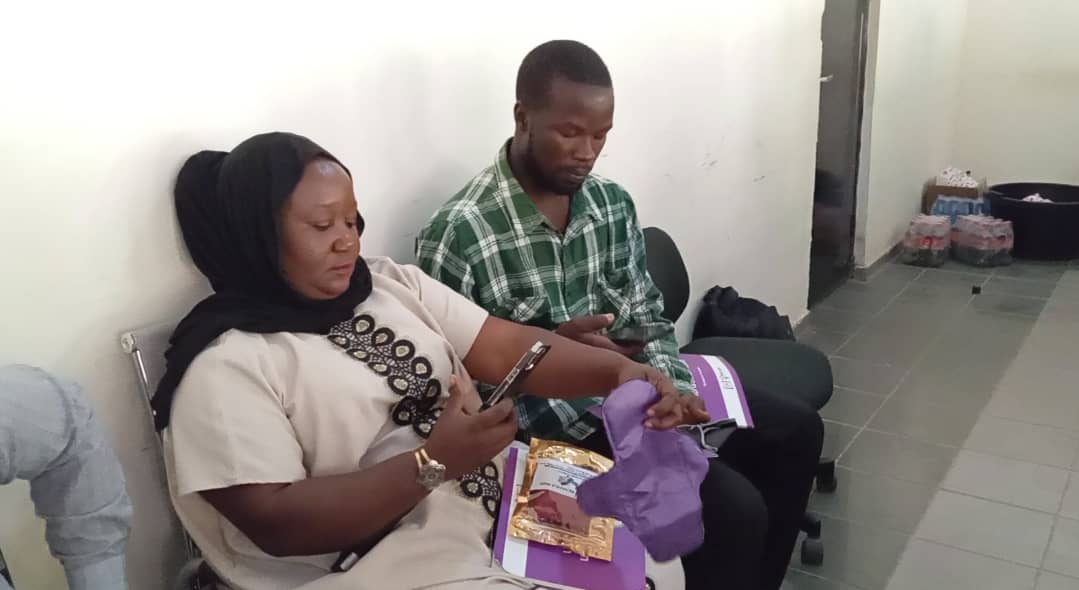
The beneficiaries of the training are expected to serve as pioneer distributors of the reusable sanitary pads in their respective communities, as part of plans to scale up the initiative across the state.