










By Newspointer Staff | Jalingo, January 25, 2026

In December 2025, leaders across northern Nigeria, including governors and traditional rulers, called for a six-month suspension of mining activities in the region. The call followed rising insecurity across the 19 northern states, which has worsened in recent years.
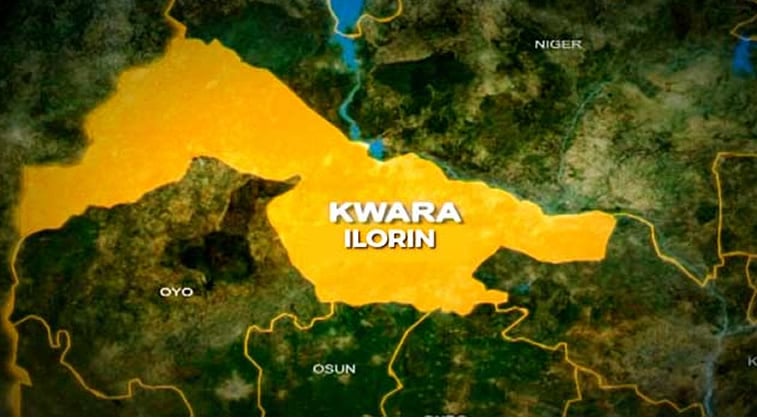
The north, made up of North West, North Central, and North East geopolitical zones, has experienced attacks in states such as Nasarawa, Benue, Kwara, and Plateau in North Central; Sokoto, Kebbi, Zamfara, Kaduna, and Katsina in North West; and Borno, Yobe, Taraba, and Adamawa in North East. Experts link much of the insecurity to illegal mining operations.
Once a survival strategy for unemployed youths, illegal mining has become a national concern. It fuels violence, accelerates environmental degradation, and enables the activities of armed groups. Observers warn that while illegal mining occurs in several states, the scale in northern Nigeria is particularly alarming.

In states like Zamfara, Niger, Plateau, and parts of Adamawa, unregulated mining has created lawless zones. Criminal networks exploit mineral resources at the expense of safety and ecological stability. Many of these sites also attract criminals from Niger, Burkina Faso, Mali, and Cameroon, bringing weapons and extremist ideologies that worsen the security crisis.
In March 2025, the Minister of Solid Minerals Development, Dele Alake, reported that 457 suspected illegal mining sites had been closed following improved intelligence operations. The Nigeria Security and Civil Defence Corps (NSCDC) later said over 600 mining sites were shut down, showing the scale of the problem.
Illegal miners often work without licenses, using crude tools and hazardous chemicals such as mercury and cyanide to extract gold, columbite, and other minerals. These activities destroy farmland, pollute rivers, devastate habitats, and displace communities, creating conditions for banditry and insurgency.
In Adamawa State, illegal miners operating near the Kila mine have attacked workers and rangers, undermining conservation efforts and threatening the revitalisation of Gashaka Gumti National Park, Nigeria’s largest protected area. To tackle this, Africa Nature Investors (ANI) Foundation, working with the National Park Service, has strengthened ranger-led security and community engagement initiatives.
ANI Foundation also works with local leaders and vigilante groups to raise awareness of illegal mining’s dangers. Executive Director Tunde Morakinyo urged governments to shut down illegal operations near protected areas and improve enforcement. The foundation promotes alternative livelihoods, including eco-tourism, sustainable farming, and skills training, reducing the economic drivers of illegal mining while empowering communities.